No relation to my employer. Written on a private visit to Belfast on Tuesday 24 November 2026
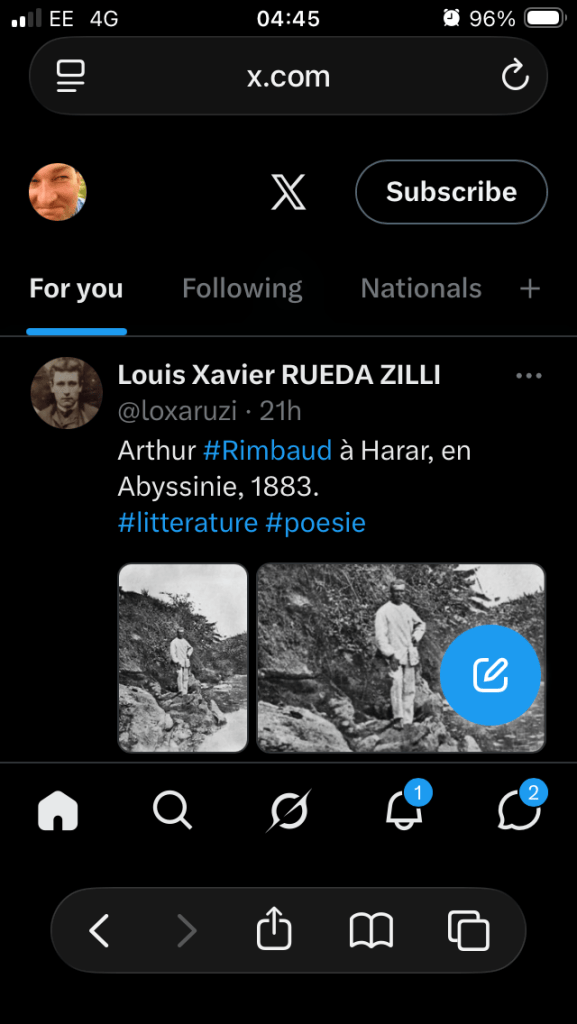
Turn on X and first thing I see is a post about a great French poet who abandoned his muse at the age of 21 and ran off to travel the world, doing any work that came to hand (not unlike arts and humanities graduates in our own times). Arthur Rimbaud ended up in the arms trade, selling defective rifles to Ethiopians.
At 16, a month after the Franco-Prussian War of 1870 (200,000 dead), Rimbaud had written an anti-war poem, Le dormeur du val (The sleeper in the valley). Here is my rough prose translation:
It is a green hollow where a mad river sings, tagging grass with rags of silver; where the sun shines from the proud mountain: it is a valley foaming with sunshine.
A young soldier, mouth open, head bare, nape of neck bathed in cool blue rock cress, is sleeping; he is spread out in the grass, beneath the clouds, pale on his green bed, in the teeming light.
He sleeps with his feet in the gladioli. Smiling like a sick child might smile, he dozes. Cradle him warmly, nature: he is cold.
His nostrils do not quiver at scents. He sleeps in the sun, hand on chest, at peace. He has two red holes in his right side.
Mustard
I have slept pretty well, cocooned in my warm, quiet city centre hotel room, but even before I got up I was feeling anxiety again about a speech by the head of Nato yesterday (I keep up with the news on off-days too) where he talked, in the context of Russia, about preparing for war. It was as if a war between Nato and the punch-drunk country with the world’s biggest nuclear arsenal could be managed, as if the atomic age had ended at Nagasaki:
And we can learn from the best in class in NATO, and that’s, in the end, I think, still Norway and Sweden and Denmark and Finland, and maybe one or two others, really ahead of the pack here, and having made clear to their citizens what they need to do in case war breaks out – at least not to get in the way of the military, but to be helpful; and also how they make sure that the police and the ambulance services and the firefighting department work together, supporting the military wherever possible.
This is the same Mark Rutte who, when he was Dutch prime minister, broke with the pack of Western states back in February 2014 and showed his diplomatic nous by attending the Sochi Winter Olympics, arguably the sporting high point of Vladimir Putin’s rule. Barack Obama had taken the lead in snubbing it. I still feel this was the point where Putin personally stopped caring about the West. Just weeks later he crossed the Rubicon internationally with the annexation of Crimea.
My breakfast is good. It was everything I wanted against the November chill, from some hot fried food to a tender croissant and decent coffee. Only odd thing is that there was no mustard. However, for a Belfast hotel that prides itself on delivering a good night’s sleep, it is a good joke, in a way, not to have mustard. “Mustard” here is traditionally slang for “trouble”, as in: “He’s mustard, that fella.”
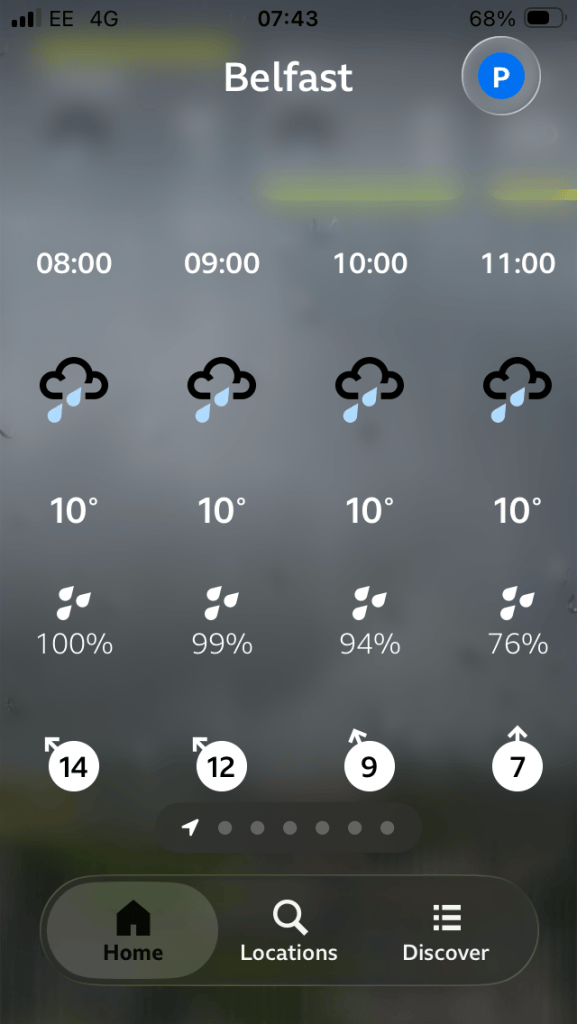
I can hear the rain noisily tagging my window pane with its own silver rags, and the weather app tells me it’s not going anywhere. Still going out in it. There’s no such thing as bad weather, only the wrong kind of times.
Empty benches
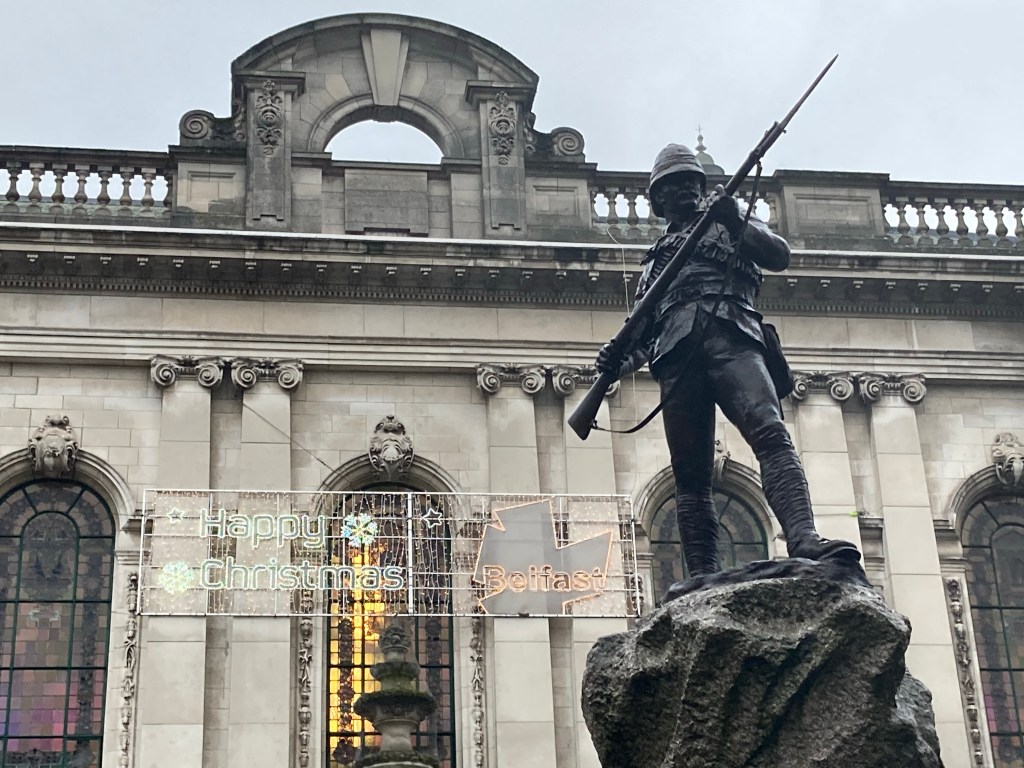
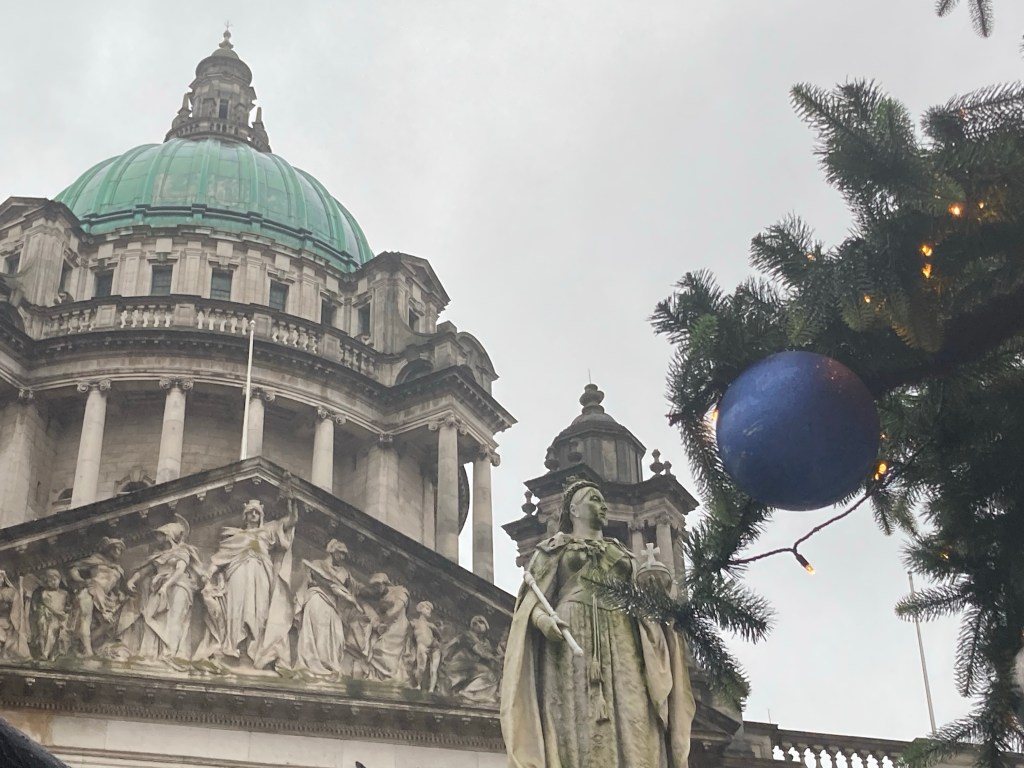
Skirting the city hall, I pass the war monuments and the Christmas market. A Boer War-era soldier stands bayonet at the ready on his plinth, poised to fight for the empire, a symbol of centuries of devoted military service.
Remembrance wreaths lie at the cenotaph as the festive sausage stalls grill up in the distance.
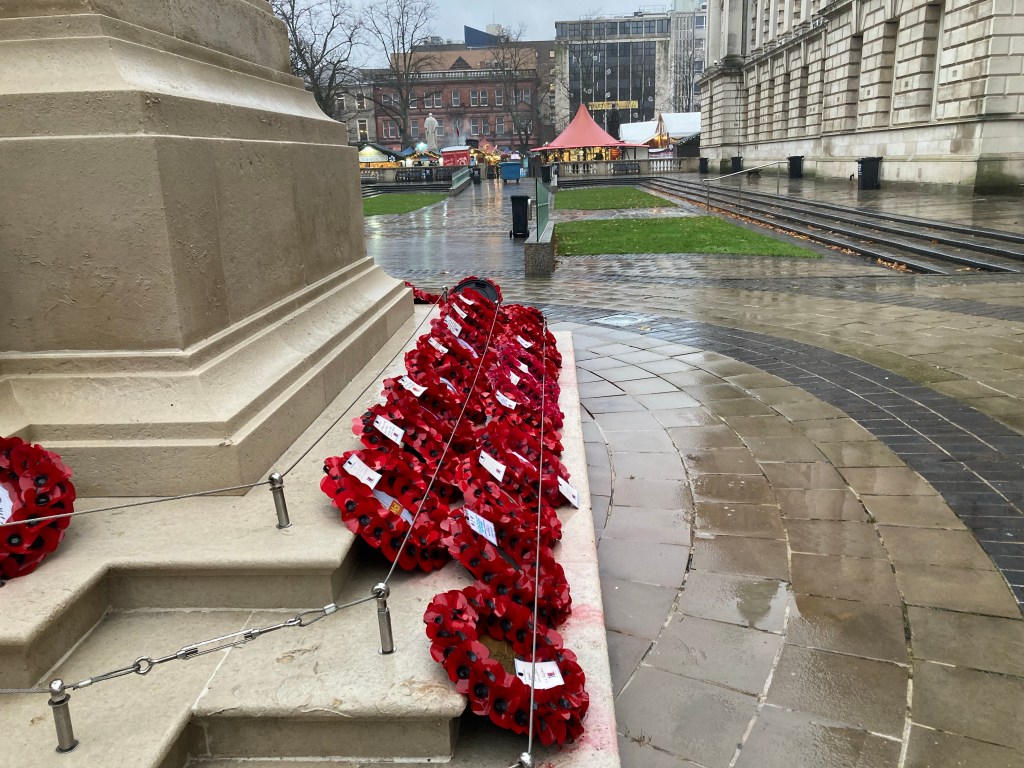
Soon the battle for lunchtime trade will begin in the downpour.
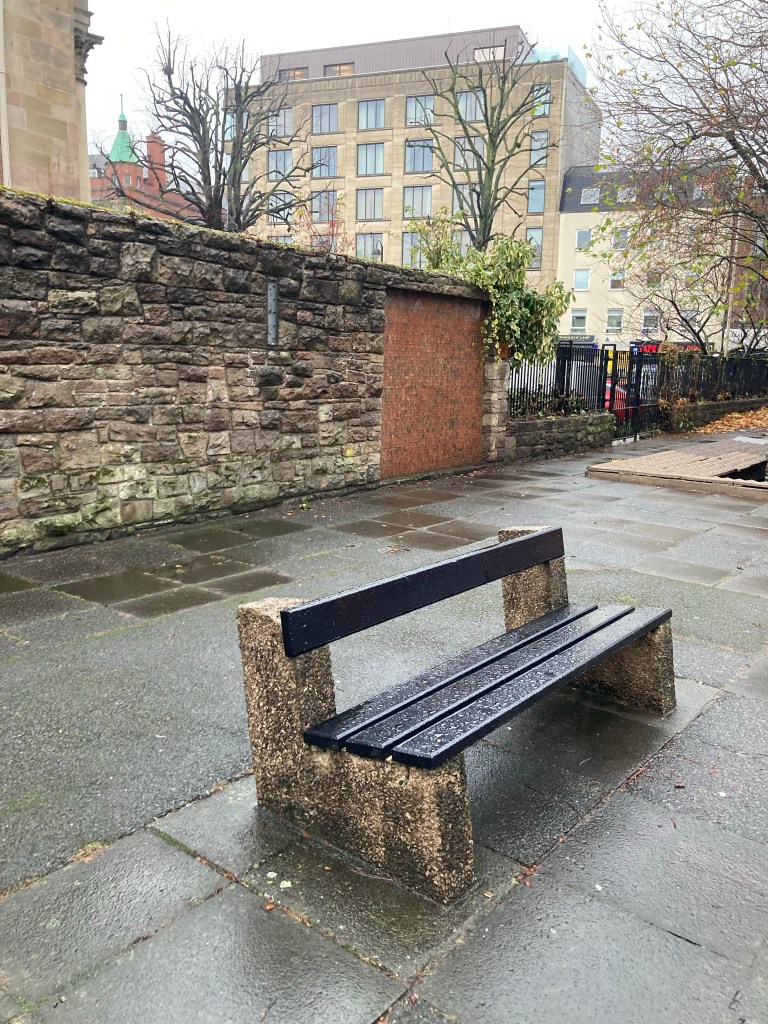
A few streets away, rain sweeps the empty benches in Jubilee Gardens where a curious small mosaic adds a dash of warm colour to the grey walls and the pavement.
Tiny numbered tiles read like a board of code. They count the dead of the first seven years of the armed conflict they call the Northern Ireland Troubles: 1,500 people commemorated here a half-century ago.
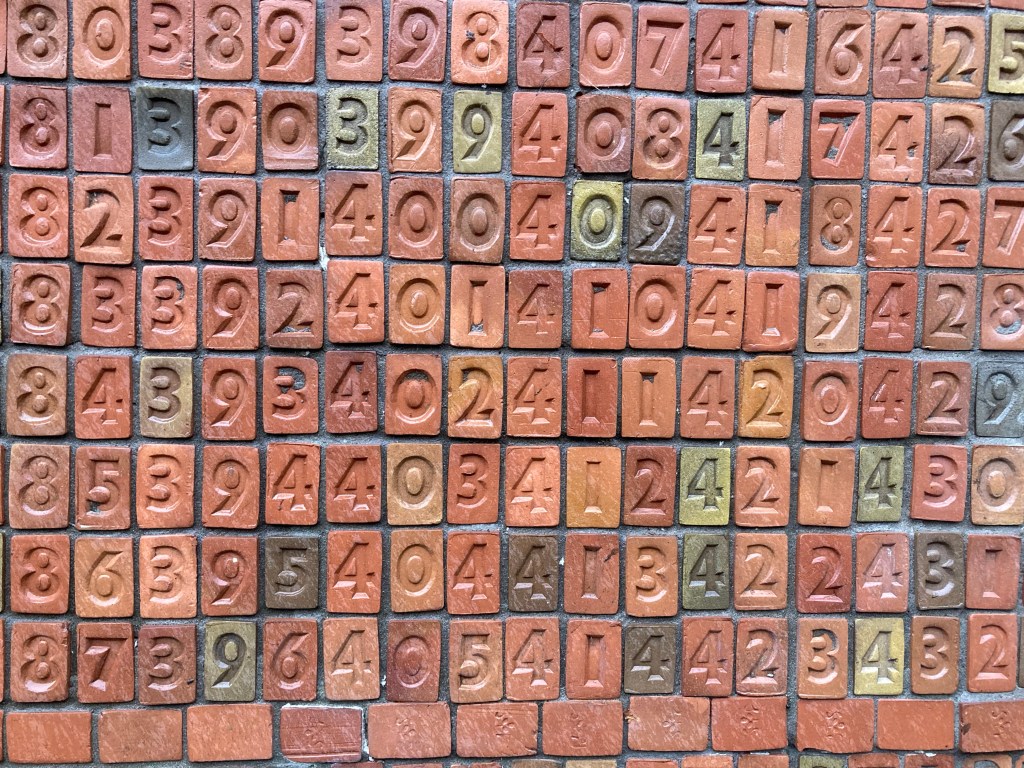
By the time the Troubles ended more than 20 years later, they had claimed several thousand more lives.
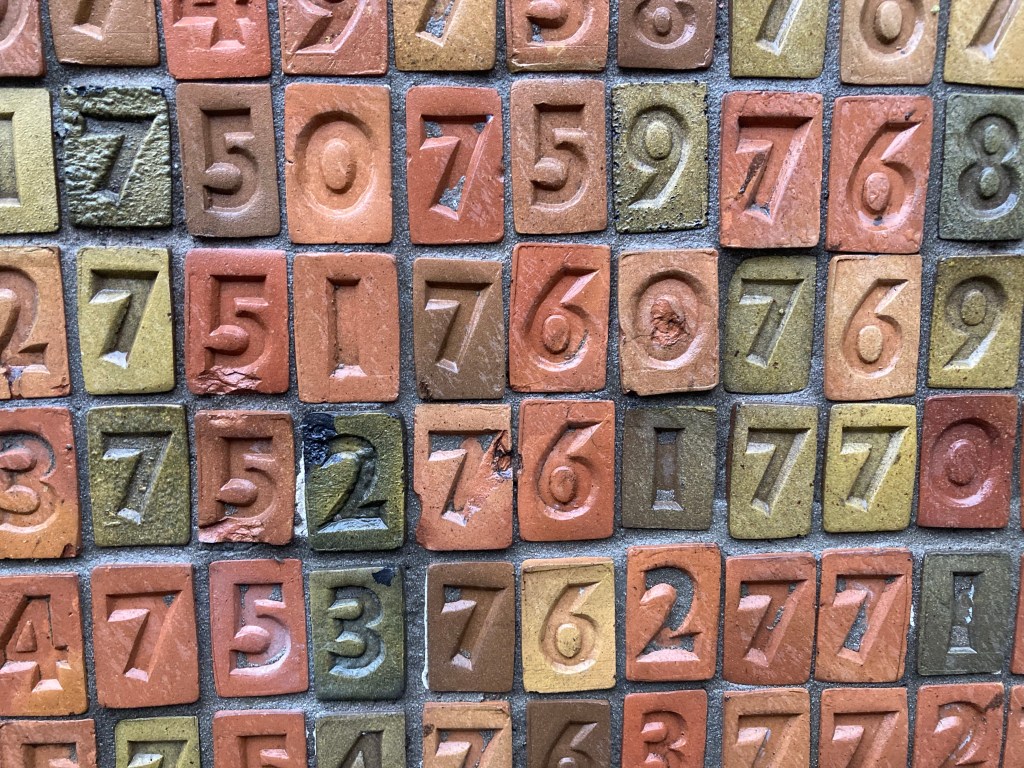
The journalist David McKittrick, who passed away on Saturday, documented those violent deaths in his book Lost Lives. Speaking after its publication in 1999, he said: “We hope that anyone tempted to think of resorting to violence will find in these pages more than 3,600 reasons for thinking again.”
Every flower
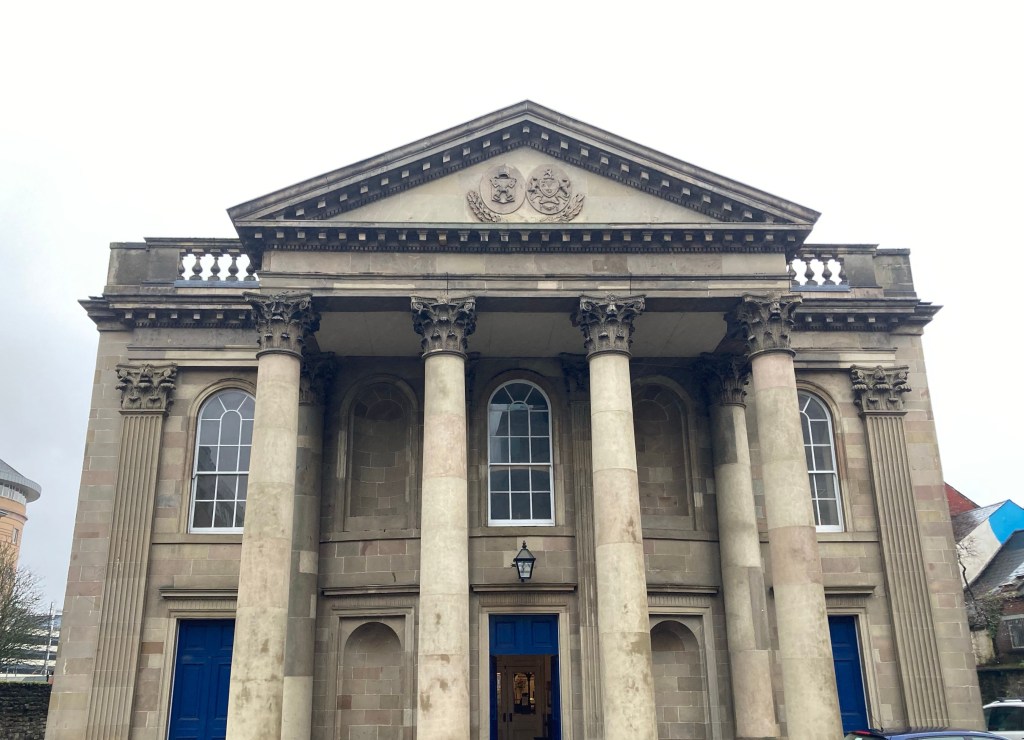
In St George’s, the church on the other side of the wall which looks so austere that people often mistake it for a courthouse, Matins are being said by the altar in the wonderfully bright and warmly decorated interior.
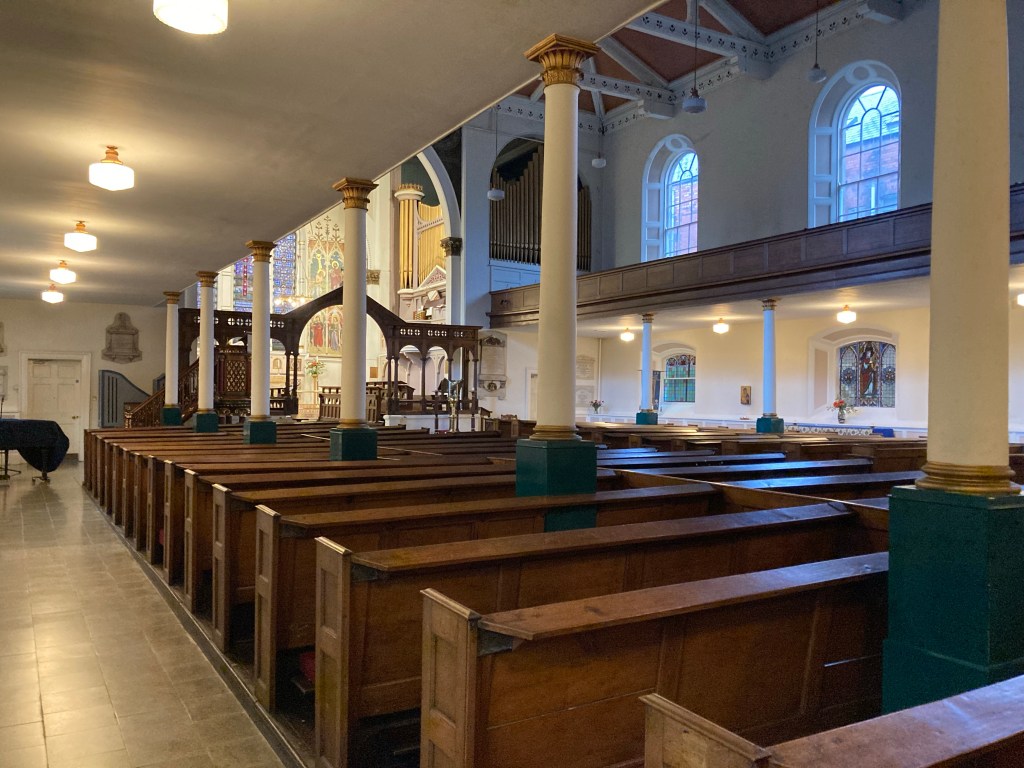
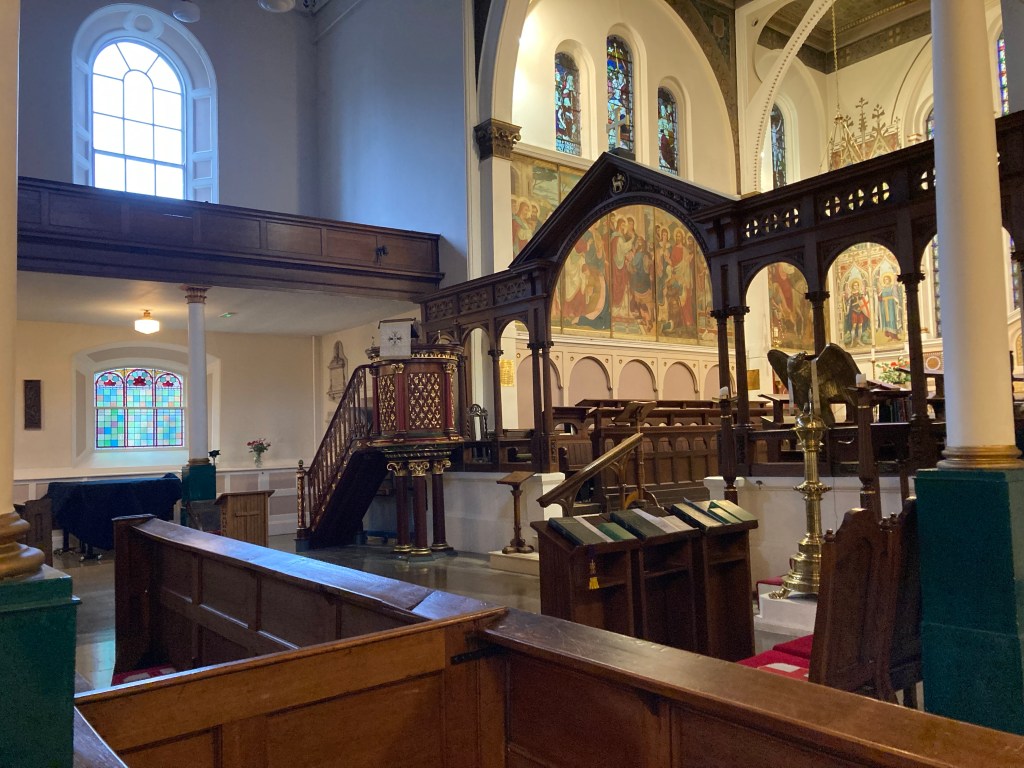
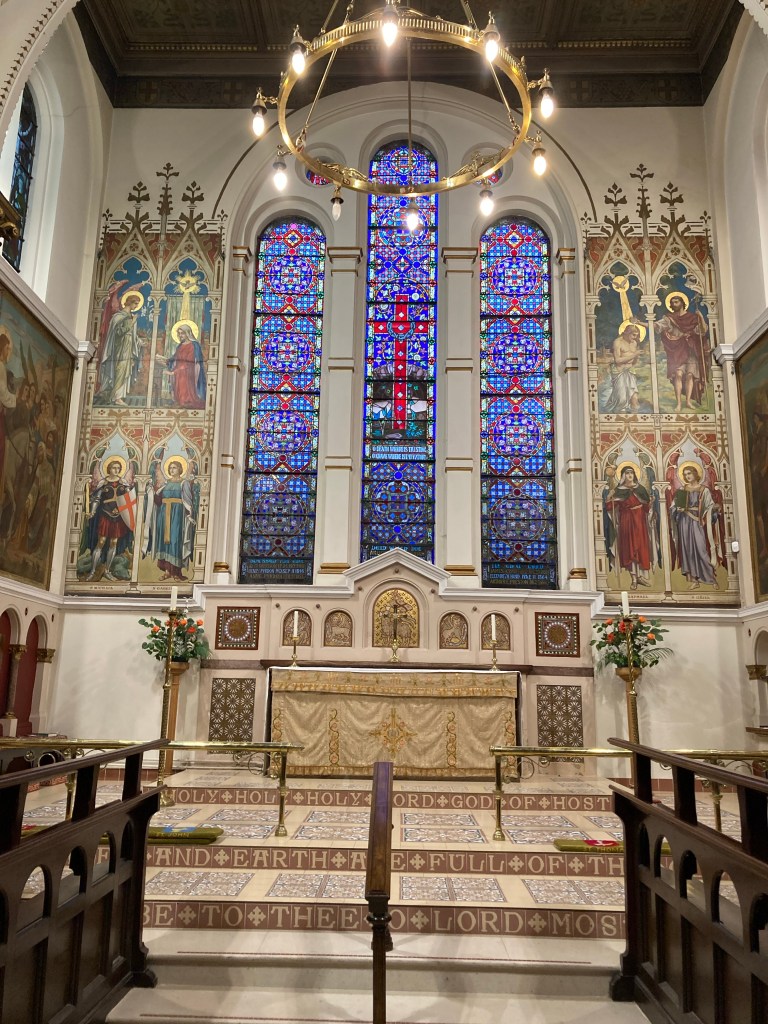
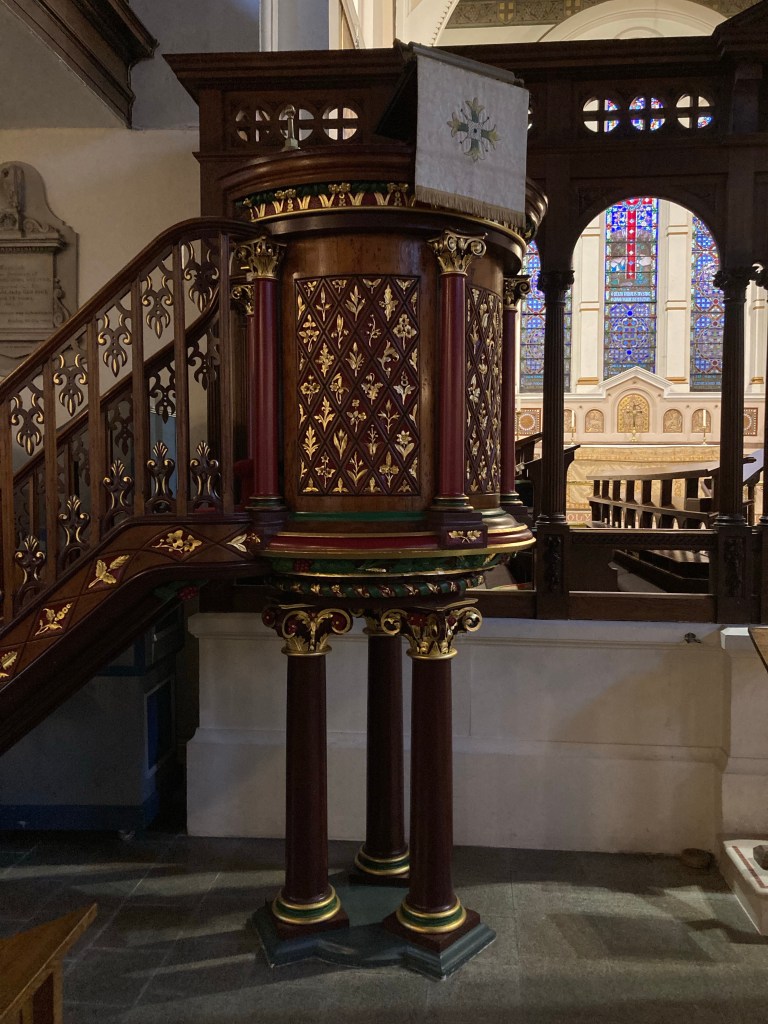
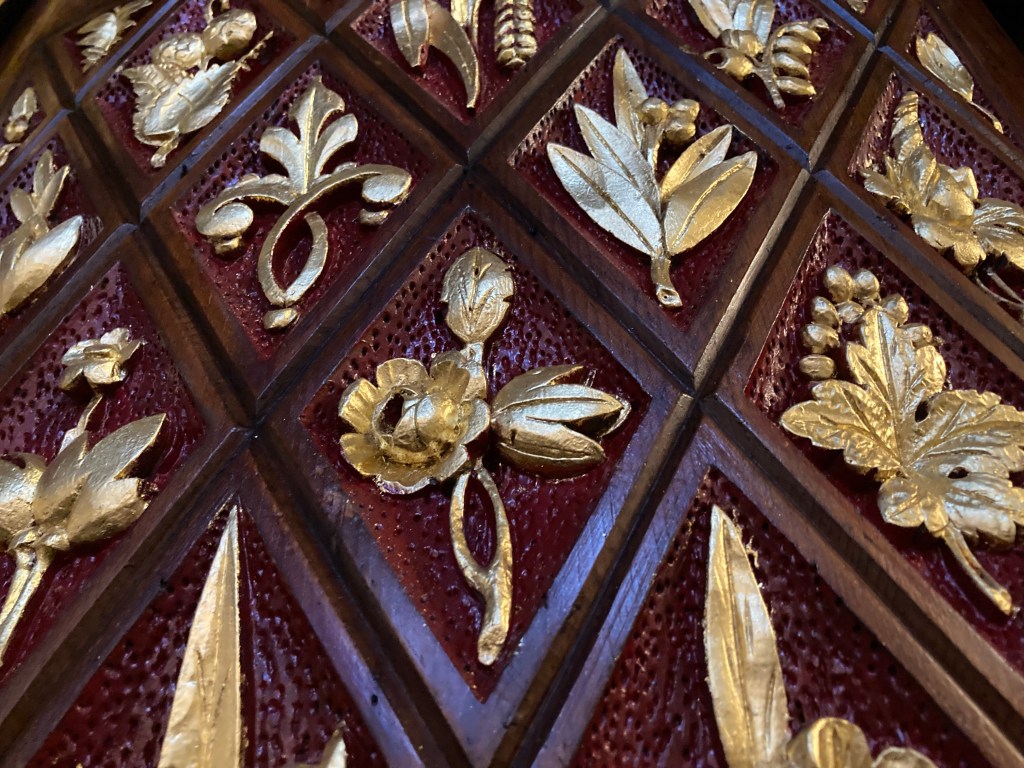
It is a reading from the Book of Revelation, prophesying the end of time when seven plagues will be visited on the Earth by angels, scorching and poisoning the Earth. I feel for the flowers that decorate the church’s pulpit, designed by WJ Barre, architect of the famously leaning Albert Memorial Clock just beyond the church. Every flower mentioned in the Bible is said to be reproduced here in delicate detail.
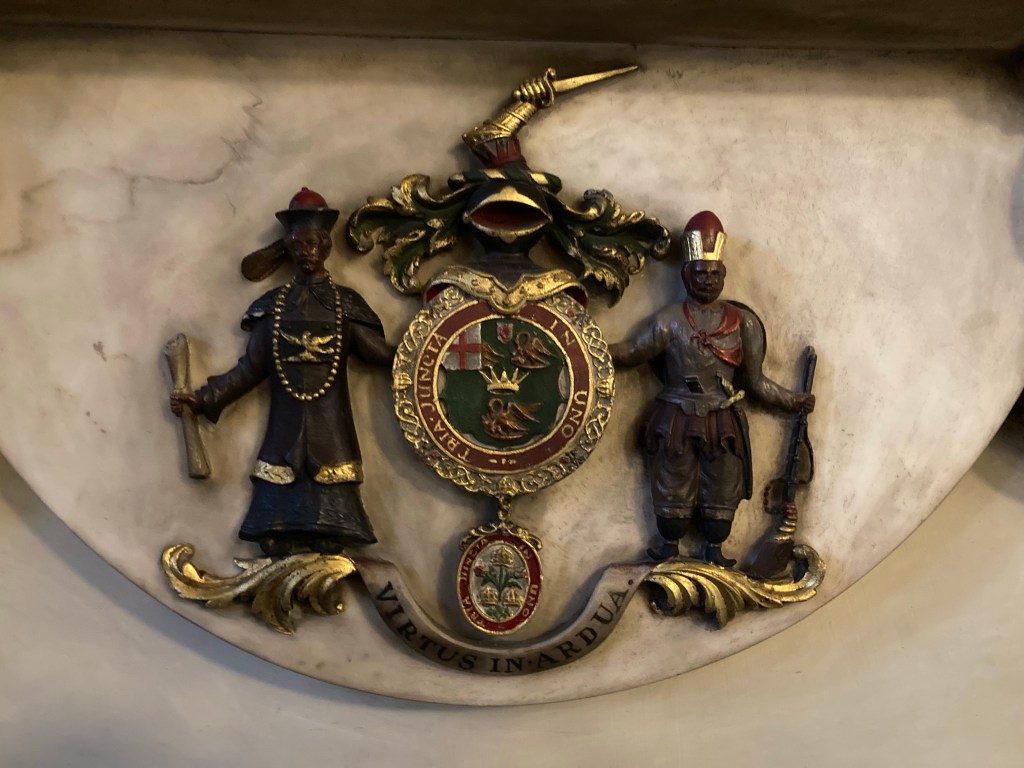
Across the aisle there is history too. A plaque commemorates the first governor of Hong Kong, Sir Henry Pottinger (1789-56), complete with Chinese and sepoy figures.
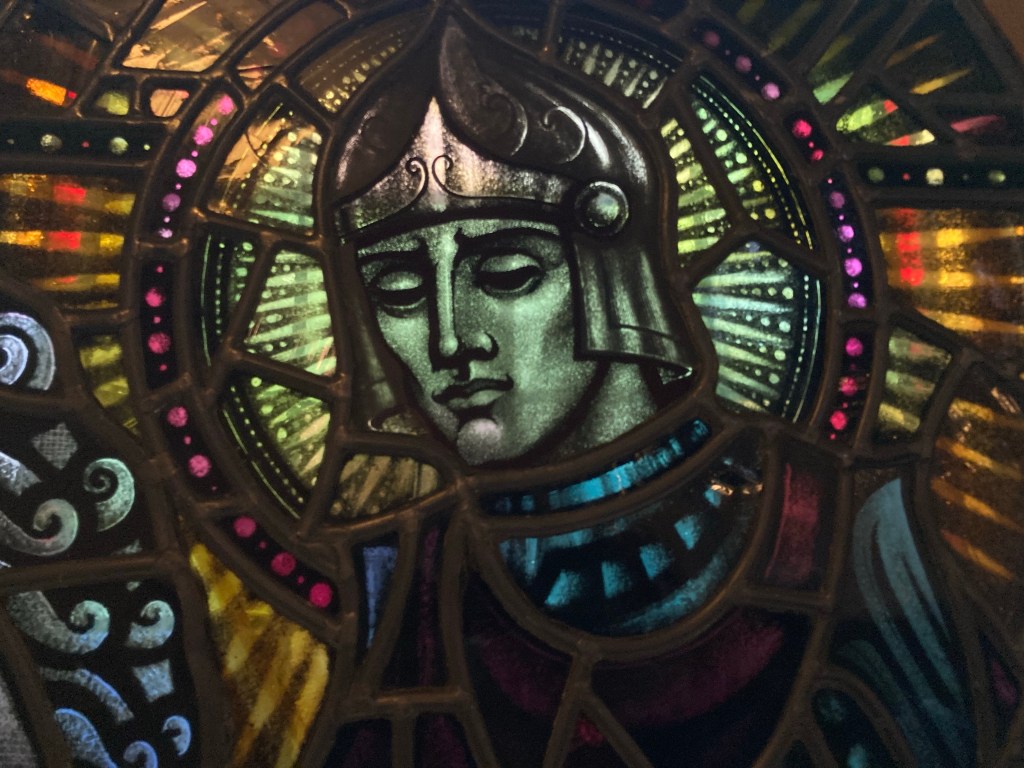
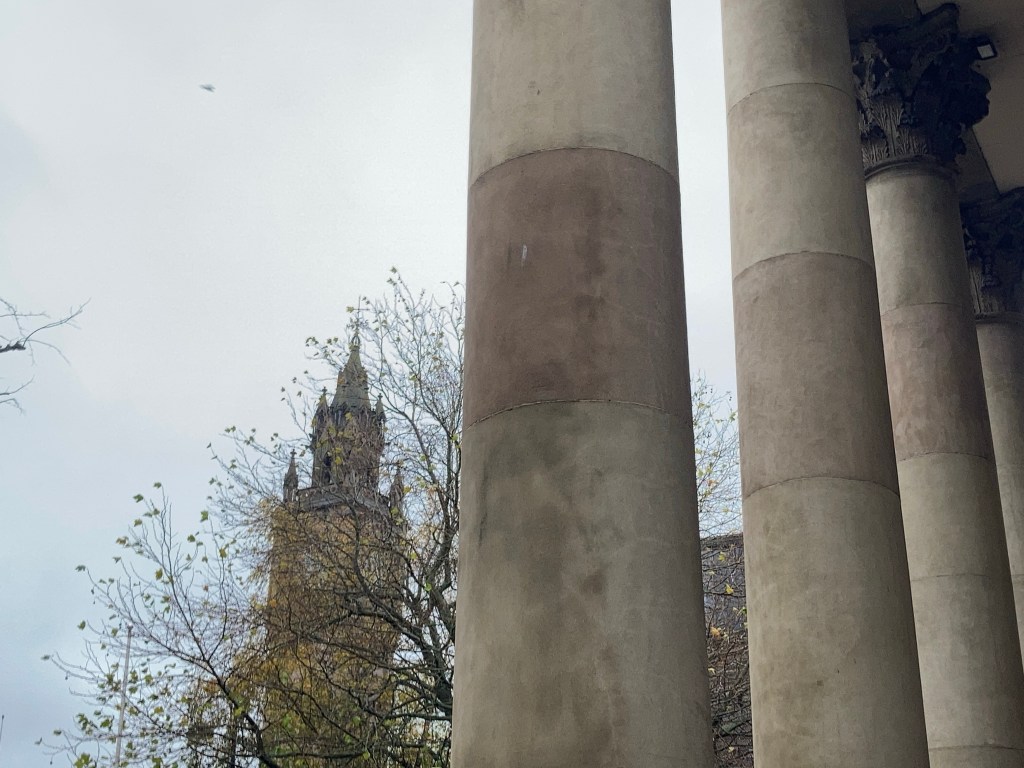
Guarding over these half-hidden treasures of Belfast is a stained-glass St George himself, looking oddly weary – of war perhaps. Oh to slip out the past the church columns and off to the alley they call Pottinger’s Entry for a pint in the Morning Star.
Life class
Two smart, dynamic young men in succession come and go at the table beside mine in the busy cafe (near Pottinger’s Entry), hurriedly eating their lunchtime sandwich as I type on my phone.
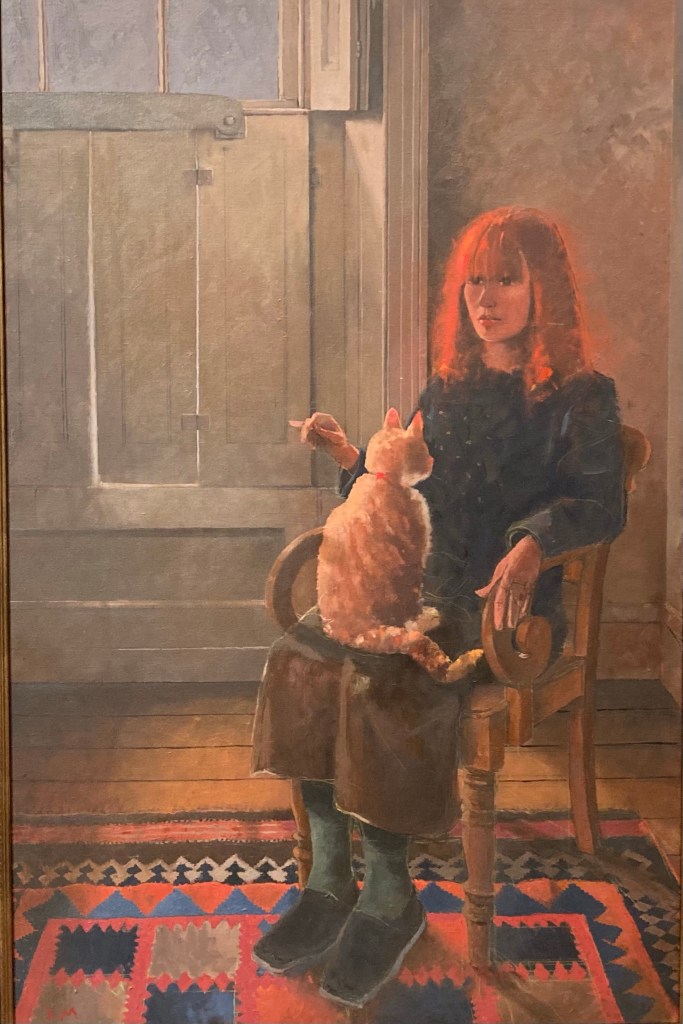
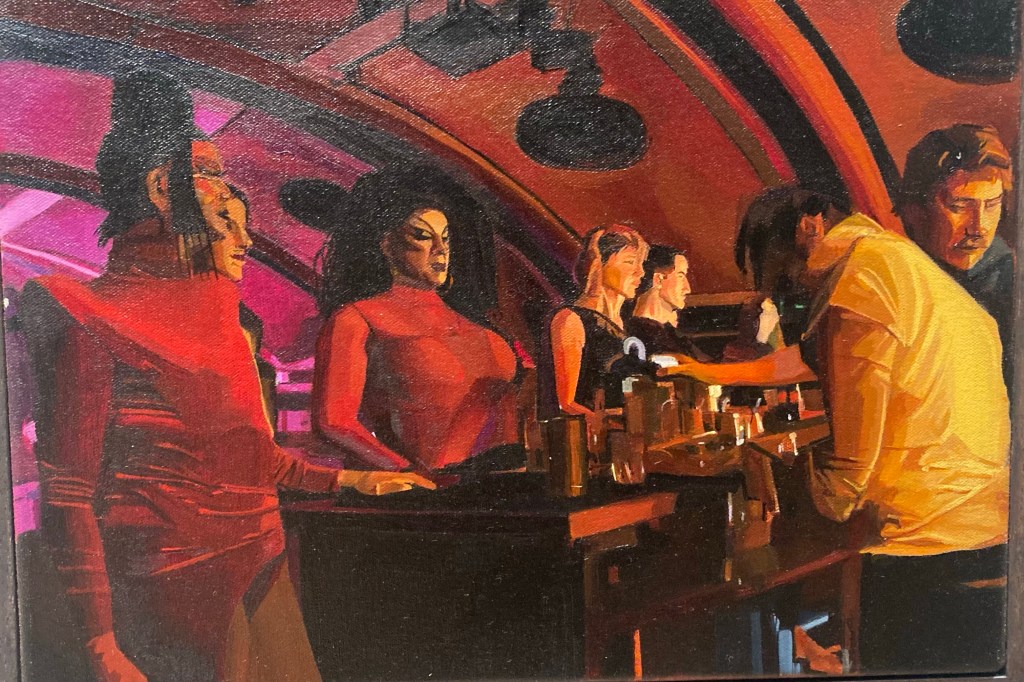
An hour later I may just be seeing one of them again on the upper deck of a bus as I gaze in delight at a large painting entitled Measured Lives by Dan Dowling. The artist has captured the carousel of life that rotates around City Hall, under the watchful eye of the queen who presided over Belfast’s great construction boom.
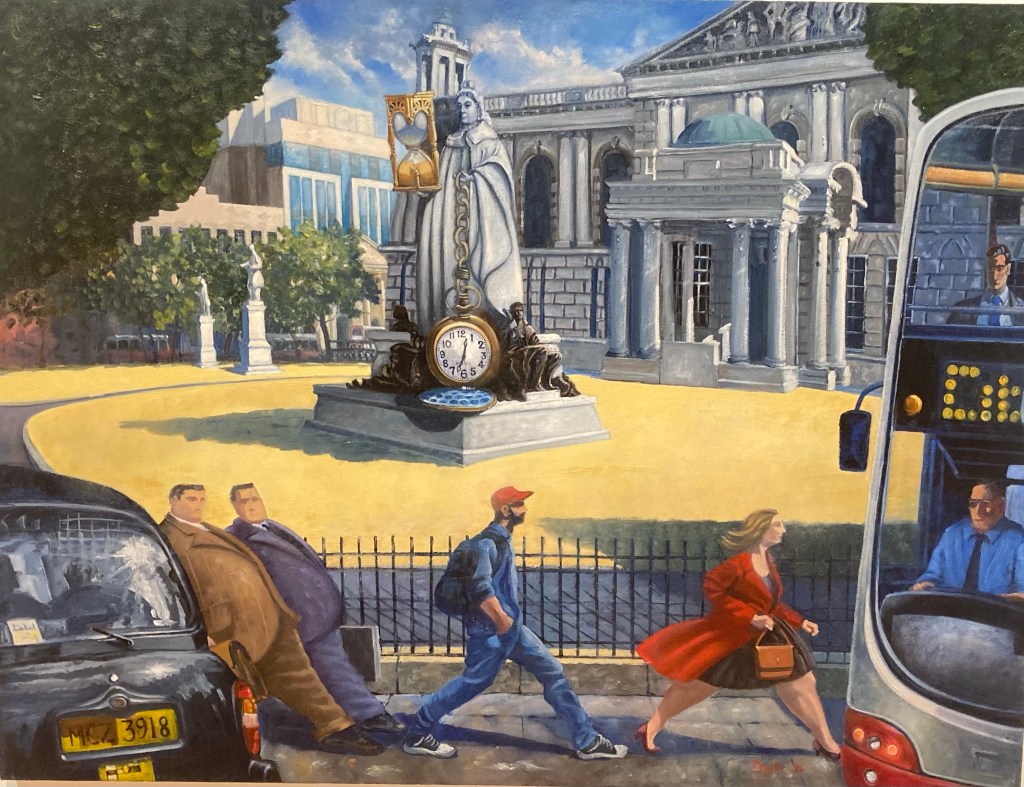
Dowling’s work is being exhibited in the annual Royal Ulster Academy of Arts show at the Ulster Museum (until 3 January). It is not all local art but it is all shot through with the joy of creation.
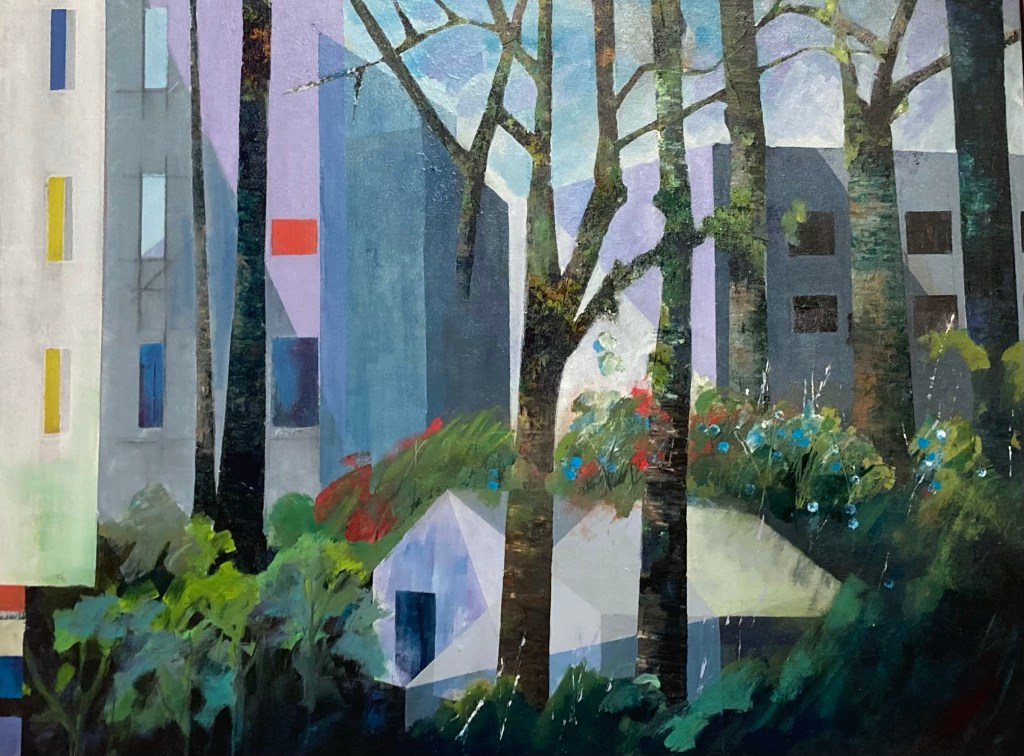
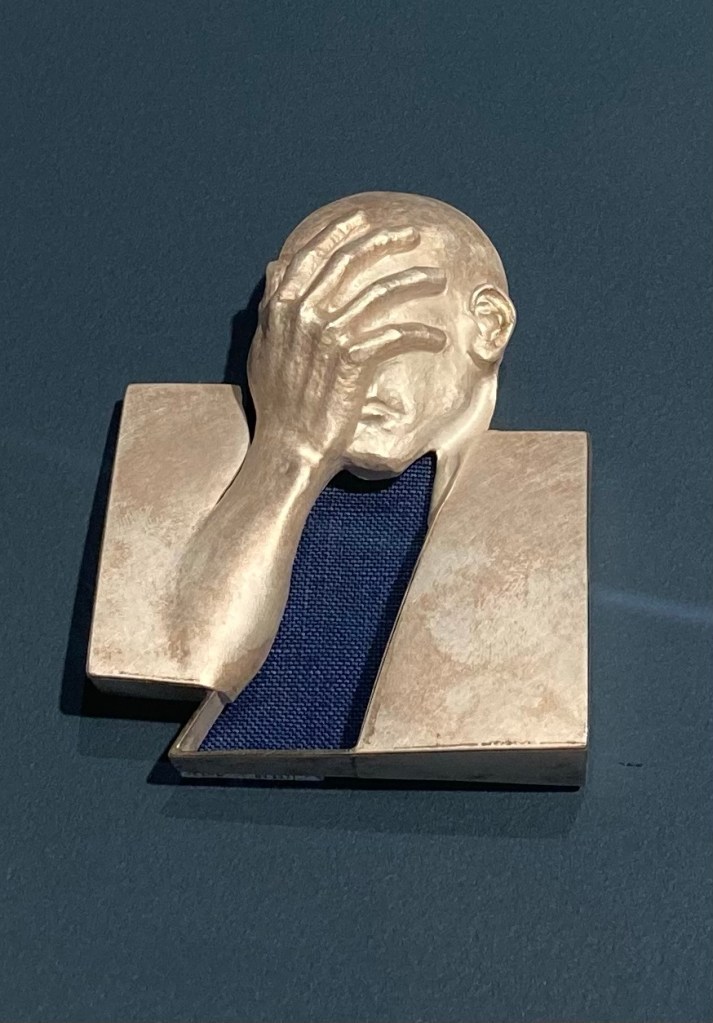
I cross into another room and find the museum’s collection of international applied art. An untitled piece by silversmith Caiyang Yin (China/England) arrests me. Face-palm times.
From the seabed
I have been to many of Europe’s great museums, from St Petersburg to London, but one space always draws me back to the Ulster: the treasure of the wreck of the Girona.
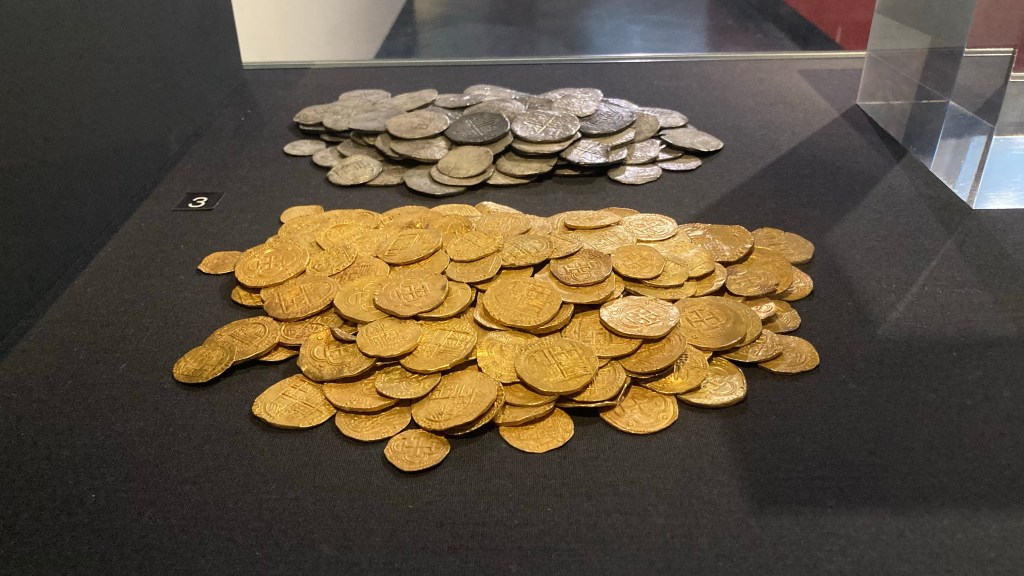
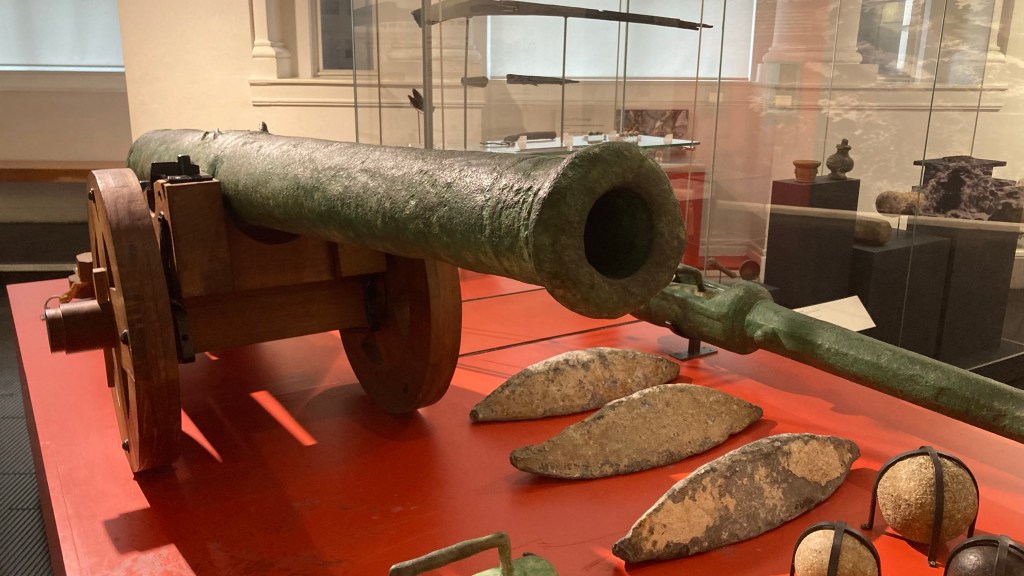
To be back in Belfast and not spend time looking at the gold and cannons of this Spanish Armada warship, retrieved from the seabed just up the coast, feels like a disservice to the culture of this place.
A team of divers from Belgium uncovered the wreck in the 1960s in a celebrated expedition. Expert curators bring out the global importance of the finds – they are a snapshot of the Spanish empire at its height – in the museum’s permanent collection. It is a love story of human ingenuity, perseverance, passion and scholarship, marking a manageable moment in human history.
Two by two
Early dinner means fast food in a warm mall, Victoria Square.
As I leave the huge shopping centre, couple after smiling couple, young and even younger, pass me on the walkway hand in hand. I’m happy for them being in love, and I am happy too for the stall holders and the punters at the city hall Christmas Market as the rain has died away. Christmas Eve is just a month away in the Western Christian world, and people will be wishing each other “peace on Earth” again. The whole world could really do with unwrapping some.
The young Rimbaud’s lover, fellow poet Paul Verlaine, expressed the feel of peace so well in this untitled poem (my prose translation of the first verse):
The sky is, above the roof, so blue, so calm.
A palm tree, above the roof, cradles its frond.

